Durable Mens Soccer Boots for Firm Ground and Turf
Get Ahead: The Premier Mens Soccer Boots for Results and Comfort on the Field
Deciding on the right soccer boots is a critical choice for any player. The perfect pair can improve ability and well-being on the field. Considerations such as fit, traction, and heaviness play a significant function in a player's agility. However, many ignore the details that lead to an effective choice. Comprehending these components can change a player's game. What key features should one prioritize when picking the perfect soccer boots? The answer may astound you.
The Relevance of Choosing the Suitable Soccer Boots
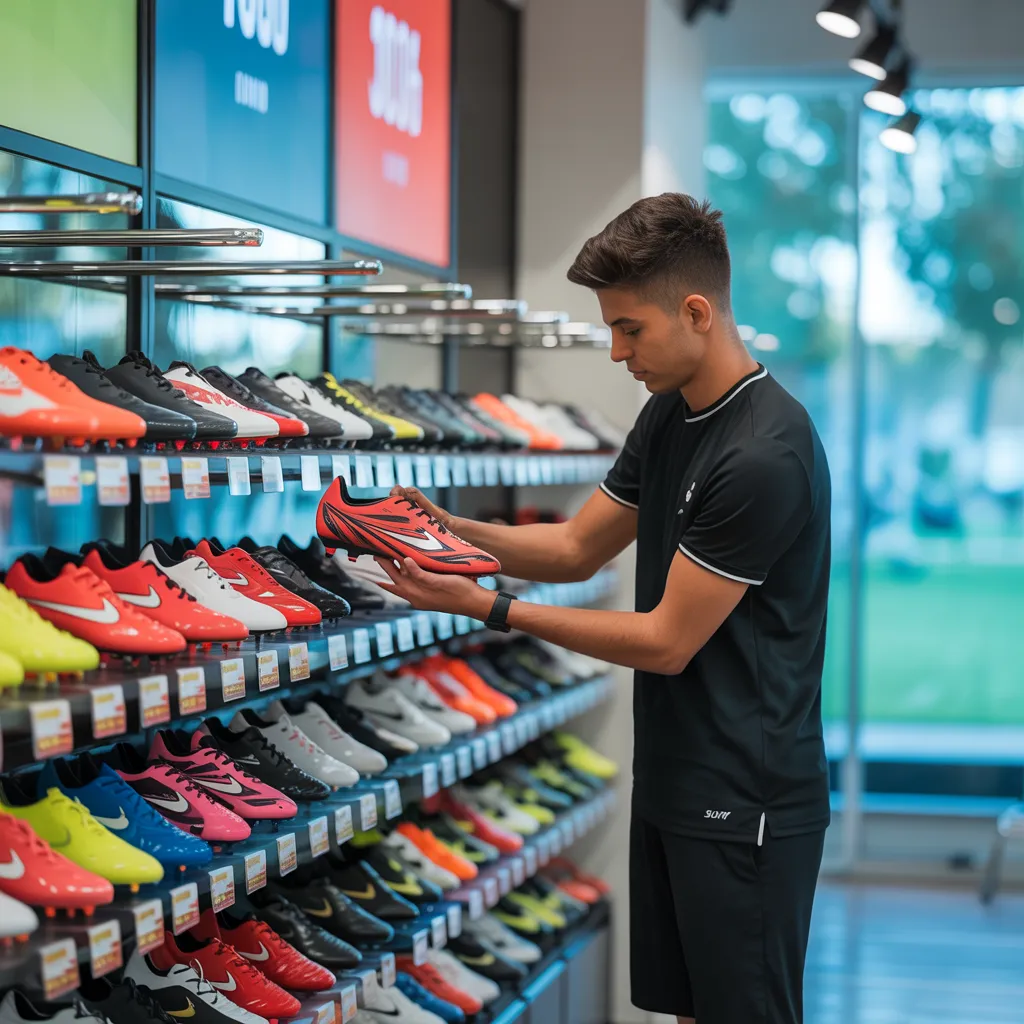
Finding the optimal soccer boots is required for any player, as their play can greatly affect the game. The correct footwear enhances traction, agility, and overall comfort on the field. Players must consider various factors, including the playing surface—firm ground, soft ground, or artificial turf—as each requires different boot designs.
In addition, the sizing and composition of the boots contribute significantly to a player's performance. A well-fitted boot decreases injury and offers better ball control. The selection of boots can also impact a player's confidence, allowing them to make quicker decisions during play.
Also, choosing boots that correspond to one's playing style can improve performance. For example, strikers may favor lighter boots for speed, while defenders might emphasize durability and support. Therefore, investing time in choose the right soccer boots is vital for maximizing performance and enjoyment on the field.
Key Components to Elevate Your Soccer Performance
When picking soccer boots, players should prioritize features that significantly influence performance. An ideal fit and comfort level are essential for agility, while traction and grip design increase stability on the field. Furthermore, lightweight materials combined with durability assure that players can sustain their best performance during the game.
Perfect Fit And Comfort
A perfect fit and optimal comfort are essential for every soccer player seeking to boost their game. Soccer boots designed with an adaptive fit offer support and lower the risk of blisters, enabling players to pay attention to their performance. Features such as padded collars and cushioned insoles enhance comfort, letting athletes to survive long matches without discomfort. Furthermore, lightweight components support a natural feel, promoting agility and speed. Adjustability, including lacing systems that fit various foot shapes, ensures a secure fit. Ultimately, investing in boots that focus on fit and comfort can markedly affect a player’s confidence and effectiveness on the field, letting them to perform at their best.
Traction And Grip Design features innovative surface patterns that enhance contact with various surfaces.
Traction and hold design are essential to a player’s performance on the soccer field. The right footwear gives support, enabling athletes to make quick cuts, accelerate, and decelerate effectively. Stud placement and configuration are critical; strategically positioned studs improve grip on a variety of surfaces, whether firm ground, artificial turf, or soft ground. Additionally, the shape and length of the studs can notably influence traction. For example, conical studs enable omnidirectional movement, while bladed studs offer superior grip during sprints. A well-designed outsole allows players to maintain balance and control, minimizing the risk of slipping. Ultimately, focusing on traction and grip design enhances a player’s agility and confidence, directly impacting their overall game performance.
Lightweight Materials And Durability
Lightweight materials and lasting are essential factors that greatly impact a soccer player's performance. Today's soccer boots usually employ advanced synthetic fabrics and innovative designs, reducing weight without compromising strength. This weight reduction allows players to achieve improved speed and agility on the pitch, boosting their overall game. In addition, durable materials ensure that the boots withstand the rigors of constant play, reducing the need for frequent replacements. High-quality stitching and reinforced areas contribute to the longevity of the footwear, making it a smart investment for dedicated athletes. Ultimately, the mixture of lightweight construction and strong durability equips players with the confidence to perform at their best, regardless of the conditions or intensity of the game.
Top 5 Soccer Boots for Superior Performance
Throughout the arena of soccer boots, competitive edge is indispensable for any player working to excel on the field. Essential aspects such as reduced weight, superior grip, and superior cushioning technology can notably impact a player's game. This review will analyze the top five soccer boots that feature these necessary performance features.
Minimal Weight Construction Strengths
Soccer players looking to improve their game often choose boots that emphasize a pertinent details lightweight design, enabling swift footwork and quick actions on the field. These boots enhance players' speed by decreasing the overall weight, allowing for faster speed bursts and tighter directional changes. A lightweight design also reduces fatigue, enabling athletes to maintain peak performance throughout the match. Additionally, the use of advanced materials, such as synthetic fabrics and lightweight foams, guarantees durability without sacrificing comfort. This balance of performance and comfort is essential, as players can focus on their skills rather than being hindered by heavy footwear. Ultimately, lightweight soccer boots contribute greatly to the overall effectiveness of a player's game, making them a popular choice for athletes at all levels.
Advanced Traction Aspects
While agility and speed are essential, enhanced traction features in soccer boots play an equally critical role in a player's overall effectiveness. These features greatly influence a player's ability to execute swift turns, attain speed promptly, and sustain footing on various playing surfaces. Modern soccer boots incorporate advanced stud configurations, which amplify traction and control, allowing players to confidently navigate the field. Some designs utilize a fusion of conical and blade-type studs that respond to varying circumstances, ensuring ideal traction whether on grass, turf, or wet fields. Additionally, certain models include tailored sole compositions that enhance grip during sudden stops and starts. This focus on traction not only improves individual performance but also contributes to overall game strategy, making it a vital aspect of soccer boot design.
Premium Cushioning Technology
Raising play on the field, state-of-the-art cushioning technology in soccer boots grants players critical comfort and support. Such technology lessens impact during play, decreasing the likelihood of fatigue and injury. Several leading brands use advanced materials like EVA foam and gel inserts to improve shock absorption and energy return. For instance, boots featuring dynamic cushioning systems allow for a more responsive feel, enabling players to maintain agility and speed. Additionally, the right cushioning can improve stability and promote a natural foot motion, essential for sharp turns and quick sprints. As players seek both performance and comfort, investing in soccer boots with superior cushioning technology becomes critical for ideal on-field success.
Fitting Your Soccer Boots for Peak Performance?
mimic actual game conditions.
Furthermore, athletes should put on the same type of hosiery they plan to use during games. A tight fit is essential; however, it should not restrict blood flow. Players should also think about the boot's design—different types cater to various positions on the field and types of surfaces. Finally, taking the time to break in new boots gradually can help prevent blisters and discomfort. By prioritizing fit, players can enhance their overall play and enjoy a more rewarding experience on the field.
Quick Methods to Keep Your Soccer Boots Fresh
Maintaining football cleats in good shape is essential for maintaining performance and prolonging their durability. Regular cleaning is a fundamental step; athletes should eliminate soil and debris after each game using a soft brush or cloth. For deeper cleaning, warm water and mild soap can be utilized, guaranteeing all buildup are rinsed away before letting them dry naturally.
Correct storage also plays a significant role. Boots should be kept in a temperature-controlled, dry area, away from direct sunlight, which can deteriorate materials. Using wooden inserts can help maintain their shape and prevent creasing.
Furthermore, applying a waterproof spray can protect against moisture and extend the boot's lifespan. Athletes are recommended to alternate among pairs, permitting each pair to recover and dry completely. Consistent inspections for damage and deterioration can help identify possible problems before they escalate, guaranteeing the boots stay in excellent shape for optimal performance on the field.
Common Challenges With Soccer Boots and How to Repair Them
Many players face common issues with their soccer boots that may reduce effectiveness and comfortableness. One frequent problem is blisters, often caused by incorrect fit or lacking cushioning. To fix this, players should ensure they select the correct size and consider wearing sweat-absorbing socks. Another regular concern is insufficient traction, which can cause slips on the field. Players can fix this by regularly inspecting and swapping worn studs or cleats.
Additionally, some may encounter stiffness in new boots, which can influence agility. A straightforward fix is to wear them in gradually by wearing them during easy practice drills. Finally, improper moisture management can lead to odors and discomfort. Players should clean their boots thoroughly and allow them to air out after each use. By tackling these problems, players can enhance their soccer boot performance for enhanced performance and comfort during matches.
Frequently Asked Questions
How Often Should I Change My Soccer Boots?
Soccer boots should typically be swapped out every 6 to 12 months, depending on level of use and visible damage. Markers of decline, such as reduced grip or comfort, demonstrate the need for a well-timed swap to copyright your athletic standard.
Is It Possible to Use Soccer Boots for Other Sports?
Soccer boots can be used for other sports, particularly those played on grass or turf, like rugby or field hockey. However, their design may not provide ideal support for sports requiring different footwear specifications.
What's the top approach to wear in brand new boots?
The optimal method to break in new boots includes gradually wearing them, commencing with brief sessions. Flexing the materials through soft motions and applying leather conditioner can improve comfort and fit over time.
Do Diverse Playing Surfaces Necessitate Unique Boots?
Yes, different field types demand different boots. Firm ground, muddy terrain, and synthetic grass each have specific designs to maximize traction and performance, guaranteeing players can adapt successfully to varying conditions and improve their game.
Are Pricey Soccer Boots Deserving of the Cost?
Expensive football cleats often offer superior performance, high-quality materials, and better durability, making them a valuable expenditure for serious competitors. However, individual tastes and playing styles should also influence the decision on whether to spend.